


The 2025 Dietary Guidelines for Americans were released on January 7th. [1] I had to read them over a few times. Some updates feel like genuine progress while others left me scratching my head.
Let’s walk through what caught my attention—both the encouraging shifts and the head-scratchers that deserve scrutiny.
The Good:
Real Food Gets the Spotlight
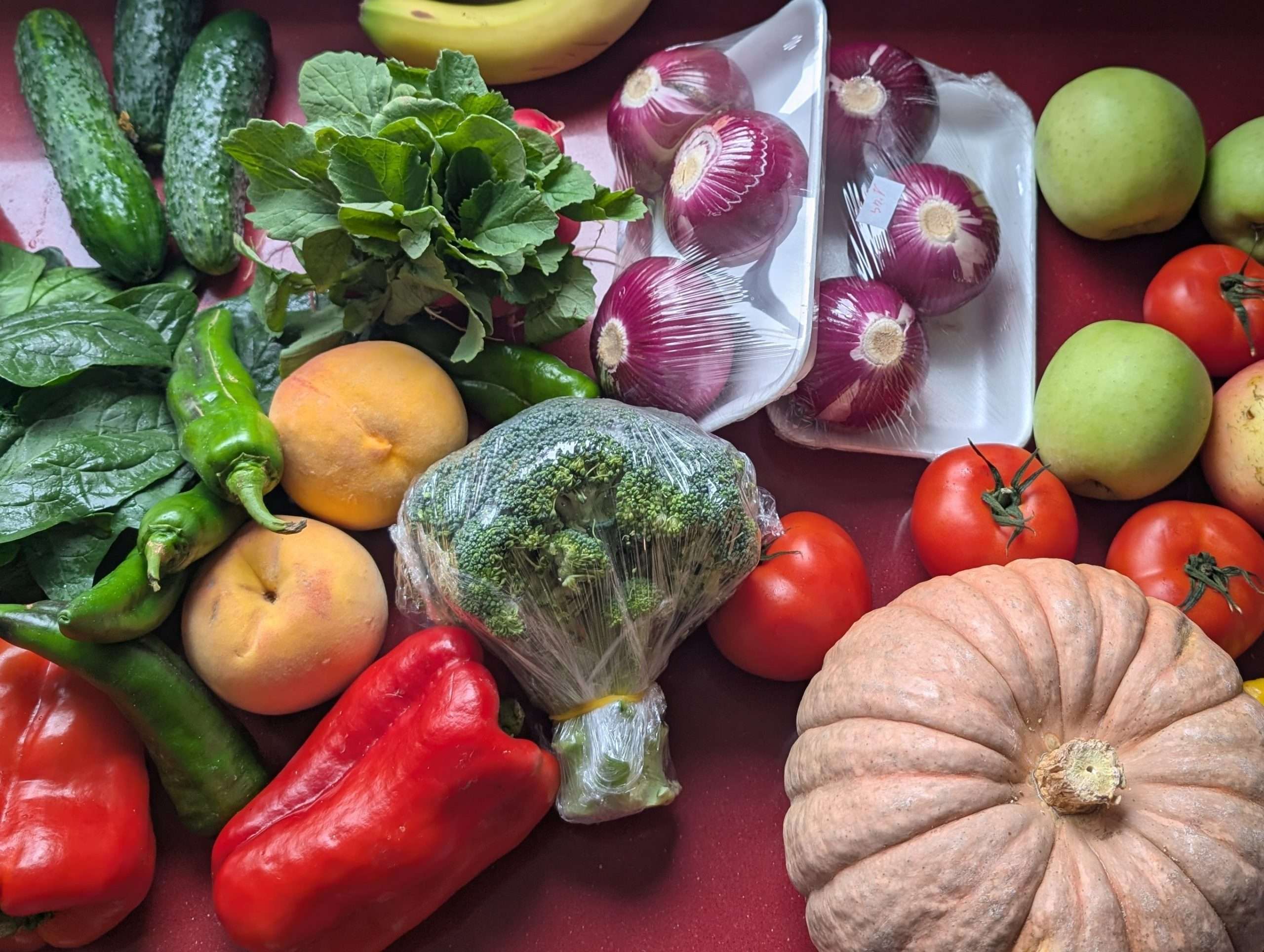
First, the good news: limiting ultra-processed foods made it into official guidance. This matters. Encouraging Americans to eat more whole foods—vegetables, fruits, legumes, whole grains—is a message backed by decades of research. Also, reducing added sugars remains a priority, which aligns with what we know about metabolic health, inflammation, and chronic disease prevention.
These recommendations seem grounded in science, and they’re practical enough for most people to implement without a life overhaul.
The Murky:
The Return of a Pyramid
Now for the confusing parts. When I saw that they brought back a pyramid structure, (this time inverted) I actually gasped. Remember when we moved to MyPlate in 2011 because it better represented how people actually eat? To me, that change made sense—plates are intuitive, visual, and reflect how many people actually eat. Yet somehow, we now have an inverted pyramid that creates an unclear hierarchy. It’s as if MyPlate never existed.
The Protein Push
Here’s where I became concerned. Animal products dominate these new guidelines—they’re literally the first thing you see on the realfood.gov website. Meanwhile, the emphasis on protein has reached comical levels. I actually laughed when I read the phrase “war on protein.” What war, exactly?
Most Americans already meet—and often exceed—their protein needs. [2] Protein deficiency simply isn’t an issue in the United States. So when recommendations dramatically increase protein targets, particularly from animal sources, we should ask: who benefits from this shift?
These changes align suspiciously well with meat and dairy industry interests, especially given the advisory committee’s composition. Meanwhile, plant-based proteins—beans, lentils, tofu, tempeh—barely get mentioned despite their proven health and environmental benefits.
Dairy: The Math Does Not Add Up
Then there’s the full-fat dairy recommendation. Multiple nutrition scientists have already pointed out the problem: consuming three servings of full-fat dairy daily makes it nearly impossible to stay below 10% of calories from saturated fat (especially when combined with the push for meat at every meal). The numbers just don’t add up. Was this just poor planning or deliberate disregard for established cardiovascular health guidelines?
Alcohol: The Missing Message
I found the vague alcohol guidance frustrating: “limit alcohol for overall better health.” That’s it. No specifics, no context, no acknowledgment of the federal report documenting serious health risks even with minimal consumption. Even one drink per day increases risk for liver cirrhosis, esophageal cancer, oral cancer, and injuries. [3] If these guidelines prioritized public health over industry interests, they would firmly recommend avoiding alcohol entirely. Research shows that even small amounts of alcohol carry health risks (cardiovascular, cancer, neurological risks…) Instead, we get watered-down language that does more for alcohol industry profits than for American health. People are left confused, yet the facts remain quite clear.
What This Means / The Bottom Line
The 20205 Dietary Guidelines for Americans are recommendations for target populations, not individuals. Your actual nutrition needs depend on age, activity level, health status, genetics, personal goals. However, these guidelines seem more influenced by lobbying than science. Maintaining healthy skepticism in this situation is essential here.
I’ll continue encouraging what decades of research support: Lots of vegetables and fruits, mushrooms, legumes and whole grains, nuts and seeds, herbs, tea and spices, fish and lean proteins.
Here is some great, general nutrition advice. Focus on whole foods prepared at home when possible. Minimize ultra-processed food items. Reduce excess added sugar, salt and fat. Choose plant proteins alongside (or instead of) animal products. Drink water and other unsweetened beverages. If you choose to drink alcohol, stop (or reduce as much as possible). If you don’t drink alcohol, do not start. Listen to your body. Adjust your plan based on your individual situation and how you feel. Seek the advice of a Registered Dietitian Nutritionist, if needed.
The bottom line is that these guidelines are indeed highly politicised. Your health deserves better than recommendations shaped by industry over evidence. Always continue questioning, keep learning, and building your plate around foods that nourish you.
References:
[1] U.S. Department of Agriculture and U.S. Department of Health and Human Services. Dietary Guidelines for Americans, 2025-2030. 9th Edition. January 2026. Available at DietaryGuidelines.gov
[2] Pasiakos SM, Agarwal S, Lieberman HR, Fulgoni VL 3rd. Sources and Amounts of Animal, Dairy, and Plant Protein Intake of US Adults in 2007-2010. Nutrients. 2015;7(8):7058-7069. doi:10.3390/nu7085322
[3] Interagency Coordinating Committee on the Prevention of Underage Drinking. Scientific Findings of the Alcohol Intake & Health Study. U.S. Department of Health and Human Services, Substance Abuse and Mental Health Services Administration. January 2025. Available at https://www.samhsa.gov/substance-use/prevention/iccpud/alcohol-intake-health-study