

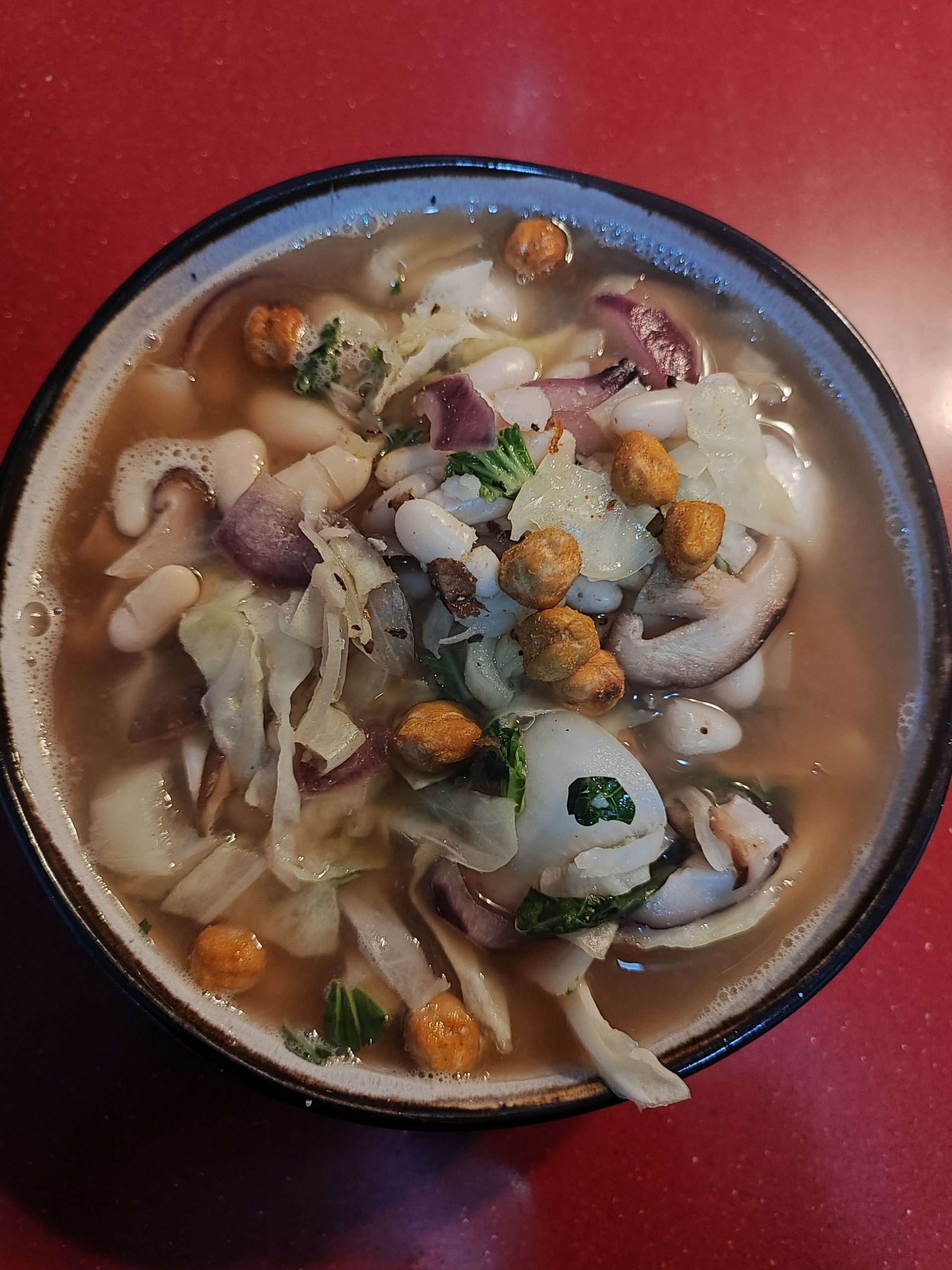
Soup is one of the most comforting and nourishing meals you can make. It stretches your food budget, reduces waste, and may even support weight management. Studies suggest that regular soup consumption is linked to a lower risk of obesity and improved nutrient intakes—although some soups may increase sodium intake (1,2,3). Still, soup is a wonderful choice for meal prep. It often tastes better the next day, and the leftovers can go into the freezer when you’re too exhausted to cook.
Beyond its nutritional benefits, making soup offers opportunity for creativity. Follow these top soup tips for the perfect soup every single time!
1. Build a Flavorful Aromatic Base
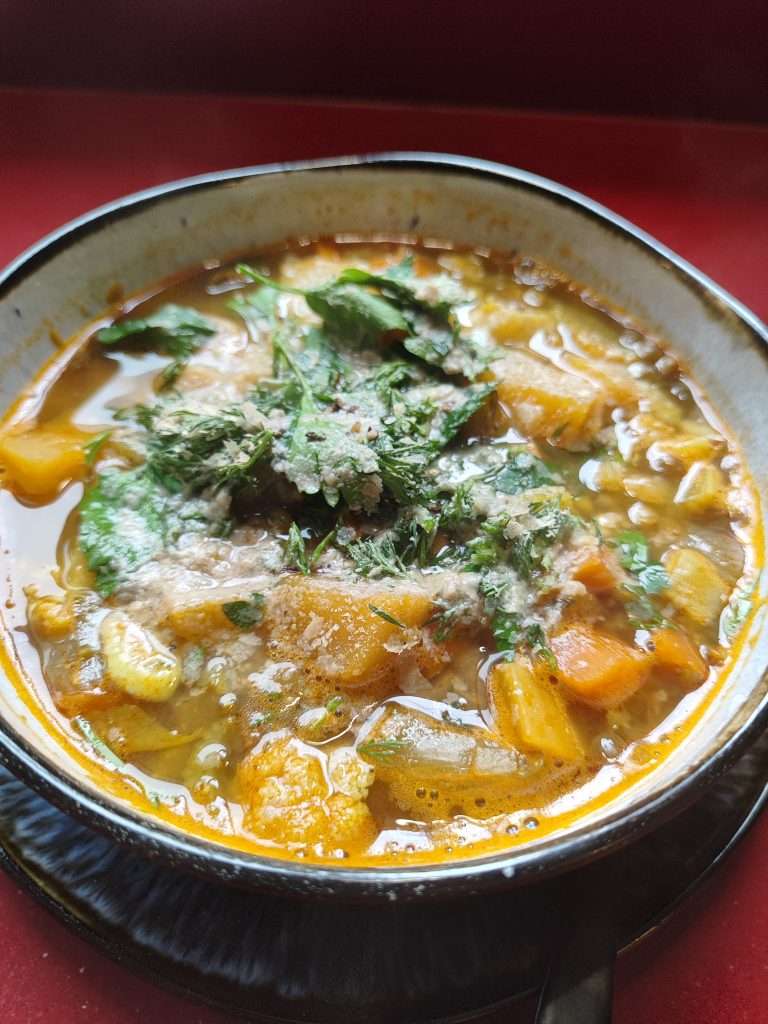
A great soup starts with a delicious vegetable base. Cuisines around the globe have unique signature flavor-building techniques. For example:
- French Mirepoix: Carrots, celery, and onion
- Indian Adu Lasan: Garlic and ginger
- Cajun Holy Trinity: Green bell pepper, celery, and onion (4)
These are just a couple of the many examples. Sauté these ingredients in a little oil or broth to begin developing a deep, rich flavor. A soup is only as good as the flavor base. Figure out what blend best suits your palate or the recipe, and go from there.
2. Season Generously
Spices and herbs elevate flavor like no other. A well-seasoned soup doesn’t rely solely on salt for taste. Instead, incorporate aromatic herbs and spices (such as oregano, thyme, cumin, turmeric, paprika, black pepper and white pepper) to create depth. Fresh herbs such as parsley, cilantro, or basil add brightness and are best added at the end of of cooking for extra flavor.
3. Taste as You Cook
Seasoning in layers ensures a final dish that has balance. Taste frequently and adjust flavors as needed. If the soup lacks depth, add a pinch of salt, a splash of soy sauce, or a dash of tamari to enhance umami.
4. Blend for Creaminess (No Dairy Needed!)
Blending a portion of your soup creates a creamy, luxurious texture without using a drop of cream. Remove a cup or two of the cooked soup, blend until smooth, and stir it back in to retain a bit of texture. For extra creaminess, blend in a few soaked cashews or macadamia nuts for some additional healthy fat.
5. Add a Touch of Acid
A little acidity coaxes out complex flavors. As you soup reduces, stir in some lemon, vinegar or a splash of wine if you prefer. It will enhance the flavors of everything else.
6. Use Homemade Broth
Homemade broth adds more depth and nutrients. Save vegetable scraps, carrot tops, and onion peels in a freezer bag. Simmer them with spices (and bones if desired) for a homemade broth that enhances any soup or sauce. If homemade broth isn’t an option, water is just fine. Or, an added stock cube or some boullion powder works too to achieve amazing results.
7. Experiment with Legumes, Vegetables & Grains
Lentils, beans, and whole grains make soups both hearty and nutritious. Try that interesting bean you’ve had your eye on at the market, adding in barley or bulgur, or wilt in greens like kale or spinach for loads of extra nutrition. I love brothy soups with small pasta cooked in (just cook in small batches so it does not absorb all the broth!)
8. Thicken with Healthy Fats
Instead of cream, use nuts or seeds for a naturally rich texture. Blend in almonds, cashews, nut butter or tahini for a silky-smooth consistency packed and some added healthy fats.
9. Finish with Toppings
Toppings take soup from regular to spectacular. Here are some ideas for toppers:
- Crunchy Elements: Toasted nuts, seeds, crackers, crusty bread, roasted legumes
- Fresh Herbs: Parsley, dill, chives, cilantro, basil
- Acidic Boost: Vinegar, citrus juice, fish sauce, tamari or soy sauce or hot sauce
- Creamy Elements: Yogurt, cheese, nut butter or cream, or avocado
- Savory Seasonings: Nutritional yeast, everything bagel seasoning, za’atar
Sources:
- Soup consumption is associated with a reduced risk of overweight and obesity but not metabolic syndrome in US adults: NHANES 2003-2006, Public Library of Science, 2013.
- Soup Consumption is Associated with a Lower Dietary Energy Density and a Better Diet Quality in U.S. Adults, British Journal of Nutrition, 2013.
- Association between Soup Consumption and Obesity: A Systematic Review with Meta-analysis, ResearchGate, 2020.
- Nosrat, Samin. Salt, Fat, Acid, Heat, 2017.
Looking for soup ideas? Check out my Soup Archives for inspiration!