


By stocking up on nutrient-packed essentials, you can always cook dishes at home that are not only delicious but also support your well-being. I put together a guide on ten versatile pantry and fridge staples, their health benefits, and outlined some creative ways to use them.
1. Cruciferous Vegetables
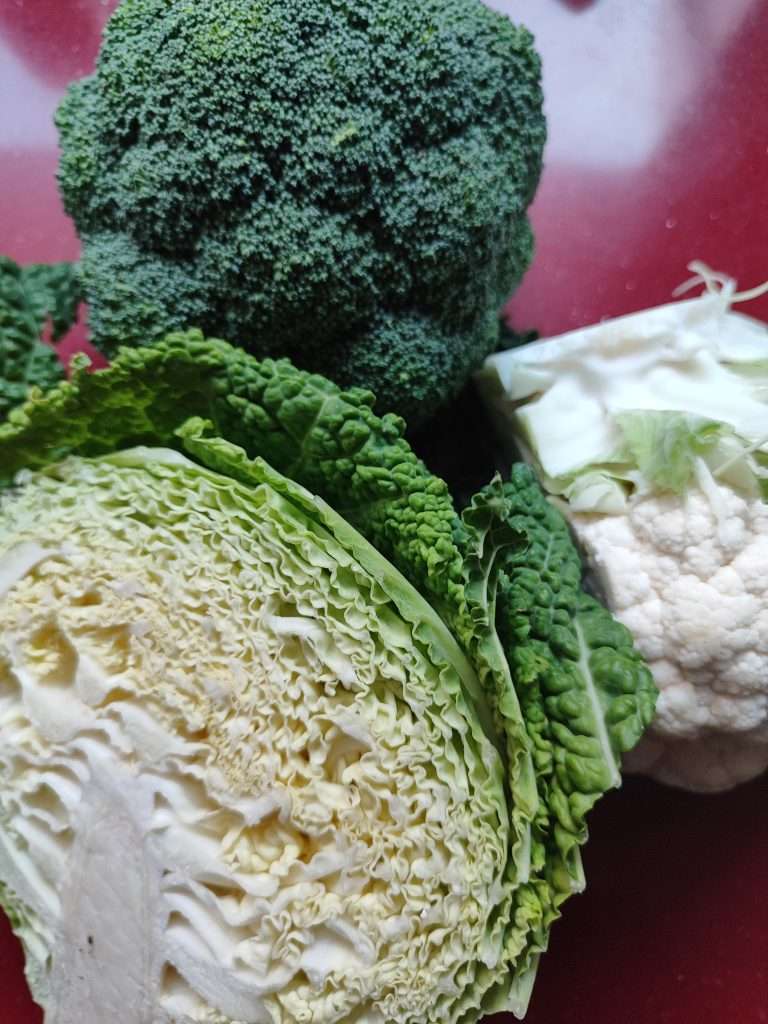
Cruciferous vegetables like broccoli, kale, cauliflower, and Brussels sprouts are nutritional rockstars! A daily serving may halve the risk of prostate cancer and reduce DNA damage [1]. Additionally, these veggies may help maintenance of the immune function, promote brain and eye health, and may help manage diabetes.
Serving Suggestions: Balance their natural bitterness with something sweet. Sauté kale, broccoli or cabbage in olive oil, drizzle with balsamic reduction or pomegranate molasses. Finish the dish with a sprinkle with pumpkin seeds or sprinkle of Parmesan. Also, they taste wonderful with dried fruits or sundried tomatoes, really anything with a touch of sweetness. If you don’t think you like them initially, try in different ways until you find what works for you. I’d also recommend trying the different members of this diverse group, as they all have their own unique tastes and textures. Try my delicious recipe for Easy Rapini with Honey-Basalmic Glaze for inspiration.
2. Vinegar

Vinegar, the tart kitchen classic, does more than enhance flavor. It may improve post-meal blood sugar levels, aid digestion, and support heart health. Some studies even suggest its role in weight management and antimicrobial defense [2]. In addition to using in cooking, white vinegar diluted with water and added to a spray bottle makes a fantastic, natural and non-toxic cleaner for your home.
Serving Suggestions: Experiment with apple cider, balsamic, and rice vinegar in salad dressings, marinades, or other recipes. It’s a fantastic substitute for wine in a recipe if you are limiting alcohol or do not consume it and want the same effect. For cooked dishes, a splash of vinegar adds depth and tang. Instead of just finishing a dish with vinegar, add a little to a sauce or soup to cook in and this changes the flavor further, adding a pleasant brightness. Check out my recipe for easy Balsamic Vinaigrette.
3. Ginger

Ginger is well-revered for its soothing effects on the digestive system. It alleviates nausea, motion sickness, menstrual cramps, even reducing menstrual flow [3]. It also possesses anti-inflammatory properties and may reduce muscle pain and migraines [4].
Serving Suggestions: Brew a soothing tea with ginger slices, and chamomile or mint. I think ginger is natural when combined with citrus fruits, honey, onion, garlic, chili, apples, pears or tomatoes. Use fresh grated ginger in dressings, marinades, or sauces for vegetables, meat and salads of all kinds. Ginger’s bright, spicy flavor is versatile and pairs well with so many sweet and savory dishes. I love grated ginger combined with rice vinegar, honey, garlic, sesame oil and a touch of miso paste. Check out my recipe for soothing, spicy Ginger Tomato Chicken Soup.
4. Goji Berries

Rich in antioxidants, with a pleasant sweet-sour flavor and chewy texture, goji berries support healthy skin, eyes, and immunity. They also contain melatonin, which promotes relaxation and better sleep [5].
Serving Suggestions Goji berries are well-suited for both sweet and savory applications. Add them to seeds, nuts and chocolate for an outstanding trail mix. They take oatmeal and smoothie bowls to the next level. They’re also excellent sprinkled over salads or rice pilafs. They can be found at your local Asian market.
5. Brazil Nuts

Brazil nuts are one of the richest sources of selenium, a mineral essential for immune and thyroid function. They are also loaded with heart-healthy fats and good-for-you antioxidants [6].
Serving Suggestions Limit your intake to 1–2 nuts per day to avoid selenium toxicity. Enjoy them as a stand-alone snack or sprinkle a couple chopped nuts over a salad. I like surprising my spouse with a couple per day as a reminder to get her selenium in!
6. Frozen Peas
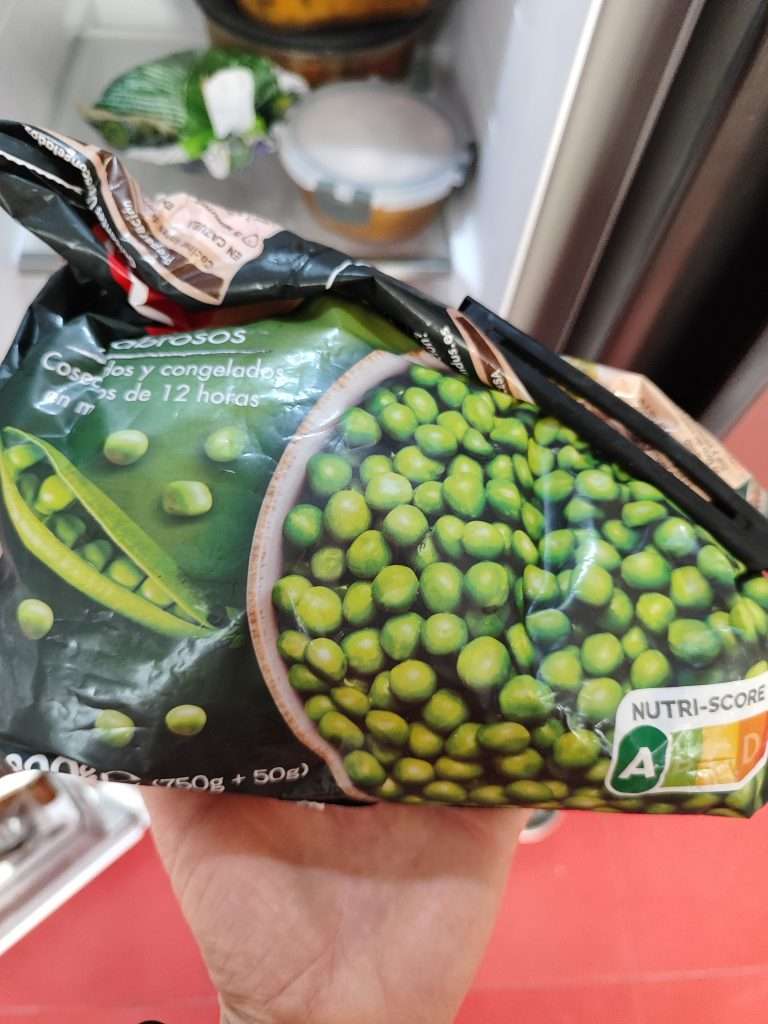
Frozen peas are delicious, convenient, nutrient-dense, and environmentally friendly. They’re high in protein, fiber, and antioxidants [3] while promoting soil health due to their nitrogen-fixing properties [7].
Serving Suggestions The natural sweetness of peas pairs fantastic with savory or salty items. Use frozen peas in soups, stews, or pasta dishes to amp up nutrition and flavor. For a delicious dip, blend blanched peas with garlic, yogurt, olive oil, and seasoning.
7. Coconut Milk

Coconut milk offers a silky, creamy texture and is rich in medium-chain triglycerides (MCTs), which the body easily absorbs for energy. Its benefits include improved immunity, skin and hair health, and perhaps even weight management [8].
Serving Suggestions Use canned coconut milk as a base for curries, vegan desserts, or smoothies. It adds a lush, rich texture to any dish. It’s high fat content make it a dream for dessert recipes, such as my Easy Coconut Caramel.
8. Kefir and Greek Yogurt

Loaded with probiotics, tangy kefir and Greek yogurt support gut health, boost immunity, and provide calcium and protein [9].
Serving Suggestions: Mix kefir with chia seeds or flaxmeal, and add fruit for a thickened, nutrient-packed snack or breakfast option. Use Greek yogurt as a sour cream substitute, a base for cucumber sauces, dips, creamy soups or a baking ingredient to add tang, flavor and moisture.
9. Noodles

Dried noodles are a go-to versatile pantry essential with a long shelf life. Variety is key here. I’m known to keep rice noodles, buckwheat noodles, and Italian pasta in different shapes to make lots of different dishes at any time in the house.
Serving Tips: Add small pasta shapes (such as alphabets, shells or stars) to soups. Use flat rice noodles for homemade Pad Thai and soups, or rice Vermicelli for cold salads and salad rolls. Combine fettuccine with butter, Parmesan, garlic, black pepper and red pepper flakes for a quick and yummy dinner. Spaghetti and red sauce is a must in our home as well! Check out my recipe for Sheetpan Tofu with Eggplant and Walnuts with Buckwheat Noodles.
10. Kimchi
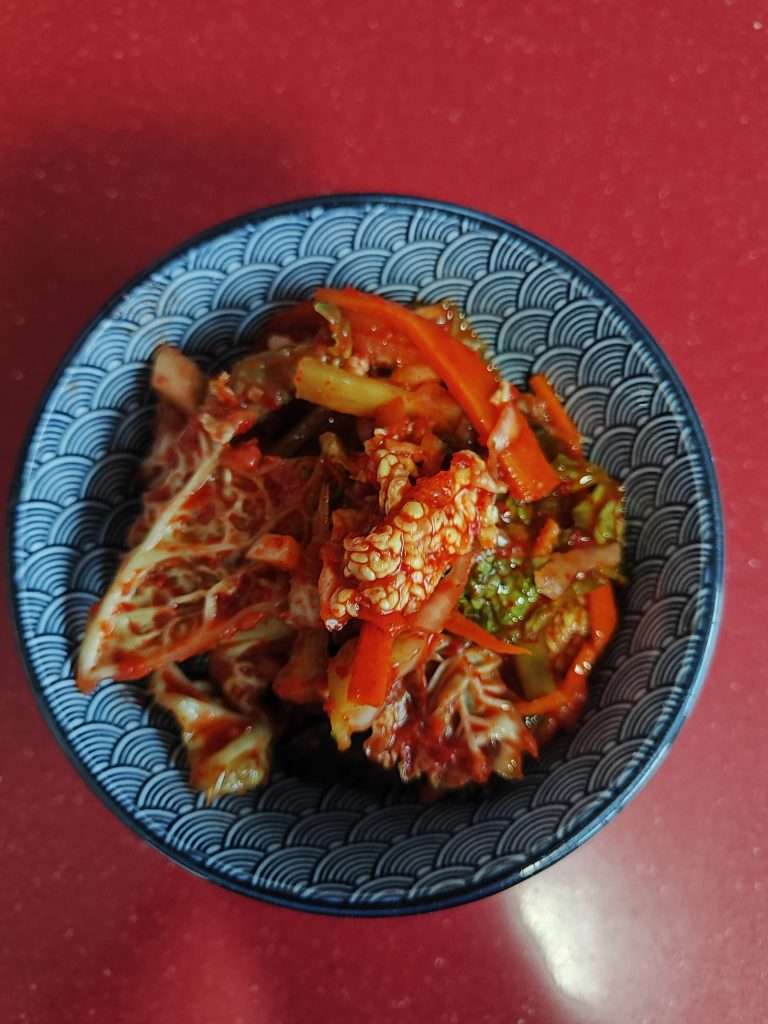
This fermented Korean dish is packed with probiotics and prebiotics, fostering a healthy diverse gut microbiome. Its bold flavor and crunchy texture make it a favorite in our home [10]. A diet rich in fermented foods has also been associated with a decrease in inflammatory cell activation [11]. I enjoy the process of making kimchi every other week, it’s a meditative labor of love for my gut and my tastebuds. The flavor changes the longer it sits in the fridge and you can get creative with the add-ins to suit your personal taste.
Serving Tips: I love kimchi with scrambled eggs, in rice or grain bowls. It’s even great on its own as a snack!
References:
- Liu, B., Mao, Q., Cao, M., Xie, L., & Zhou, F. (2018). Cruciferous vegetables consumption and risk of prostate cancer: A meta-analysis. Cancer Causes & Control, 29(5), 485–493.
- Johnston, C. S., Kim, C. M., & Buller, A. J. (2004). Vinegar improves insulin sensitivity to a high-carbohydrate meal in healthy subjects. Diabetes Care, 27(1), 281–282.
- The World’s Healthiest Foods. (2015 edition).
- Daily, J. W., Yang, M., & Park, S. (2015). Efficacy of ginger for treating type 2 diabetes and its complications: A systematic review and meta-analysis of randomized controlled trials. Journal of Ethnopharmacology, 175, 1–7.
- Amagase, H., Sun, B., & Borek, C. (2009). Lycium barbarum (goji) juice improves antioxidant biomarkers in healthy adults. Nutrition Research, 29(1), 19–25.
- Thomson, C. D. (2004). Selenium and iodine intakes and status in New Zealand and Australia. British Journal of Nutrition, 91(5), 661–672.
- Parsons, R., Sprent, J. I., James, E. K., & Crabb, D. (2009). Nitrogen fixation in legumes and actinorhizal plants. Springer Netherlands.
- Marten, B., Pfeuffer, M., & Schrezenmeir, J. (2006). Medium-chain triglycerides. International Dairy Journal, 16(11), 1374–1382.
- Ouwehand, A. C., Salminen, S., & Isolauri, E. (2002). Probiotic and other functional microbes: From markets to mechanisms. Current Opinion in Biotechnology, 13(5), 483–487.
- Park, K. Y., Jeong, J. K., Lee, Y. E., & Daily, J. W. (2014). Health benefits of kimchi (Korean fermented vegetables) as a probiotic food. Journal of Medicinal Food, 17(1), 6–20.
- Wynne Parry. (2021, July 12). Fermented food diet increases microbiome diversity, lowers inflammation. Stanford Medicine News Center. Retrieved from https://med.stanford.edu/news/all-news/2021/07/fermented-food-diet-increases-microbiome-diversity-lowers-inflammation.html